

If you are planning to install a home EV charger in Pacific Palisades, one of the first questions is whether a permit is required. In many cases, the answer is yes.
A Level 2 EV charger is not the same as plugging a device into a standard outlet. It often involves a dedicated 240V circuit, new wiring, breaker work, load review, and installation decisions that affect both safety and code compliance. That is why homeowners should not treat EV charger installation like a simple DIY project.
The permit side matters for another reason too. It helps confirm that the electrical work is reviewed properly and installed to code. For Pacific Palisades homeowners, that matters whether the charger is going in the garage, outside near the driveway, or as part of a larger electrical upgrade.
Luxus Construction is a general contractor and licensed C10 electrical contractor in Pacific Palisades, providing electrical services, EV charger planning, and related residential electrical work.
Quick Answer: Do You Need a Permit to Install an EV Charger at Home?
In many cases, yes. A permit is often required when EV charger installation involves new electrical work, a dedicated circuit, wiring changes, or connection to the home’s panel.
Permit requirements can vary based on the scope of the installation, but homeowners should assume that Level 2 charger installation needs proper review rather than treating it like a minor upgrade.
Why EV Charger Installation Usually Requires More Than Basic Setup
A Level 2 EV charger uses 240V power and often needs a dedicated circuit. That already moves the project beyond a simple plug-and-play situation.
Depending on the home, installation may include:
- panel capacity review
- breaker space evaluation
- dedicated circuit planning
- new wiring from the panel to the charger location
- outlet installation for a plug-in charger
- direct connection for a hardwired charger
- outdoor placement considerations
That is why permit for EV charger installation is a common concern. The work often affects core parts of the home’s electrical system.
If you are still comparing charger types, Luxus Construction’s previous article on Plug-In vs Hardwired EV Charger: What Works Best for Pacific Palisades Homes? is a useful companion read.
What Does the Permit Help Cover?
A permit is not only paperwork. It is part of the process that helps confirm the electrical work is installed correctly and reviewed against applicable code requirements.
For a home EV charger project, permit review often supports:
- safe circuit sizing
- proper breaker selection
- correct wiring methods
- suitable charger connection
- code-compliant installation practices
- inspection of completed work
In practical terms, permit approval helps reduce the risk of improper electrical work hidden behind finished walls or mounted equipment.
Who Handles the Permit for EV Charger Installation?
The licensed contractor often handles permit and inspection coordination, depending on the project scope.
For homeowners, that is one more reason to work with a qualified contractor rather than trying to piece together the process alone. The contractor is usually in the best position to assess the work, determine what is needed, and manage the installation path from planning through final inspection if required.
Luxus Construction provides both construction and electrical support, which is helpful when EV charger installation overlaps with broader electrical needs such as main electrical box or panel upgrades.
Why Licensed Electrical Work Matters
Permit approval matters because it supports safe, code-compliant installation. Licensed electrical work matters because the charger itself is only one part of the system.
The charger still needs the home to support it properly.
A licensed electrical contractor helps evaluate:
- whether the panel has enough capacity
- whether a dedicated circuit is required
- whether the charger should be plug-in or hardwired
- whether indoor or outdoor placement changes the installation plan
- whether related upgrades are needed before installation
This is especially important in homes where the electrical system is older, the panel is already carrying a significant load, or the charger is part of a larger renovation or service improvement project.
For homeowners in Pacific Palisades, Luxus Construction also has related local pages and articles, including Electrical Contractors Pacific Palisades, Electrical Contractor Pacific Palisades, and Tesla Wall Connector Installation.
Can You Install a Level 2 Charger Without Professional Help?
That is not the best route for most homes.
A Level 2 charger usually needs electrical work that should be done by a licensed professional. Even when a homeowner is focused on the charger unit itself, the real issue is the circuit, panel, wiring path, and installation method behind it.
Trying to skip professional planning can lead to:
- incorrect circuit design
- code issues
- permit problems
- installation delays
- extra cost later to correct the work
The smarter route is to assess the home first, then match the charger and installation method to the property.
Plug-In and Hardwired Chargers Still Need Proper Planning
Some homeowners assume a plug-in charger means the job is simpler and may not need the same level of electrical review. That is not always the case.
A plug-in Level 2 charger still usually needs a 240V receptacle on a dedicated circuit. A hardwired charger still needs direct electrical connection and load planning. Either way, the installation affects the home’s electrical system.
Later in your decision process, it can help to compare charger models that fit different installation paths.
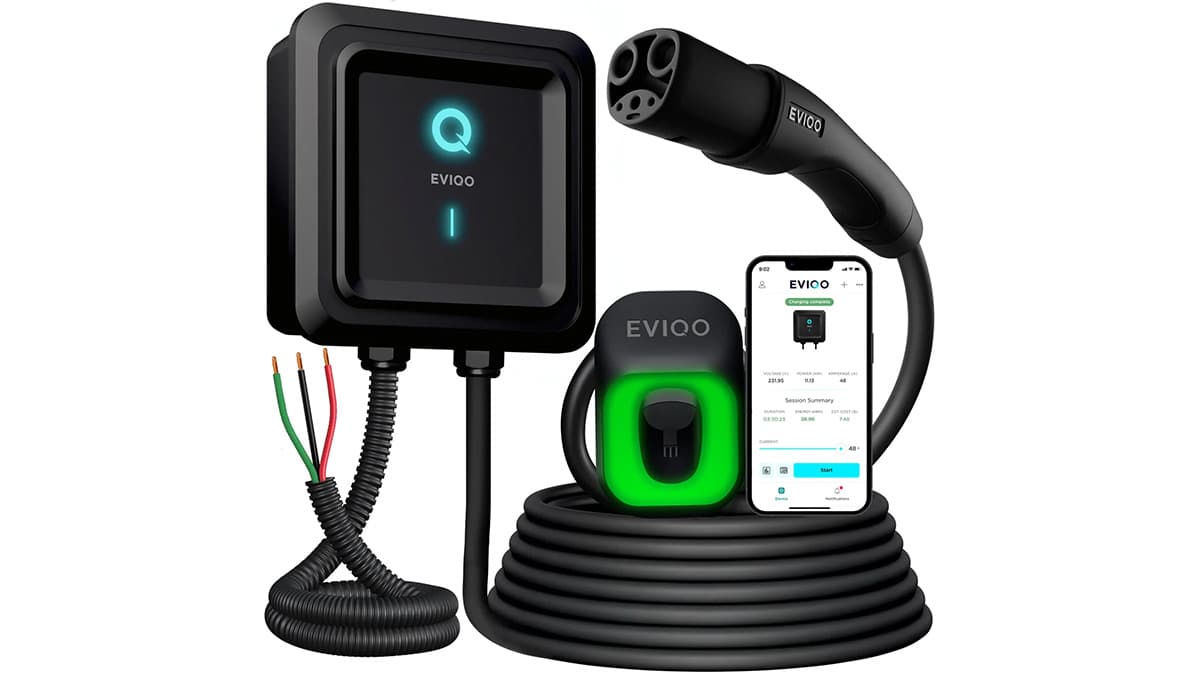
For example:
- EVIQO 40A Level 2 EV Charger with NEMA 14-50 plug
- EVIQO 48A hardwired Level 2 EV Charger
- EVIQO 48A plug-in Level 2 EV Charger
These are useful examples of different home charging options, but product selection should come after confirming what your home can support and how the installation should be handled.
What Homeowners in Pacific Palisades Should Think About Before Installation
Before moving forward, ask these questions:
- Will the charger need a new dedicated 240V circuit?
- Does the electrical panel have enough available capacity?
- Will the charger be installed in the garage or outside?
- Is the chosen charger plug-in or hardwired?
- Does the installation involve permit or inspection requirements?
- Is a panel upgrade or related electrical work likely?
These questions shape both the scope of work and the installation timeline.
If your home needs broader electrical updates, it is also worth reviewing Luxus Construction’s electrical services and article on knowing when to upgrade your electrical wiring system.
Why Permit Approval Matters
Permit approval helps confirm the work meets code and supports safe operation of the charger and electrical system.
That matters for performance, safety, and peace of mind. It also matters because EV charger installation is now a real part of residential infrastructure, not a temporary accessory. Homeowners should approach it with the same seriousness they would give to other significant electrical improvements.
Need Help With EV Charger Installation Planning?
If you are planning EV charger installation in Pacific Palisades and want clarity on permits, code requirements, and the right setup for your home, Luxus Construction can help.
Start with the homepage, review the full electrical services, or contact Luxus Construction to discuss your project.