

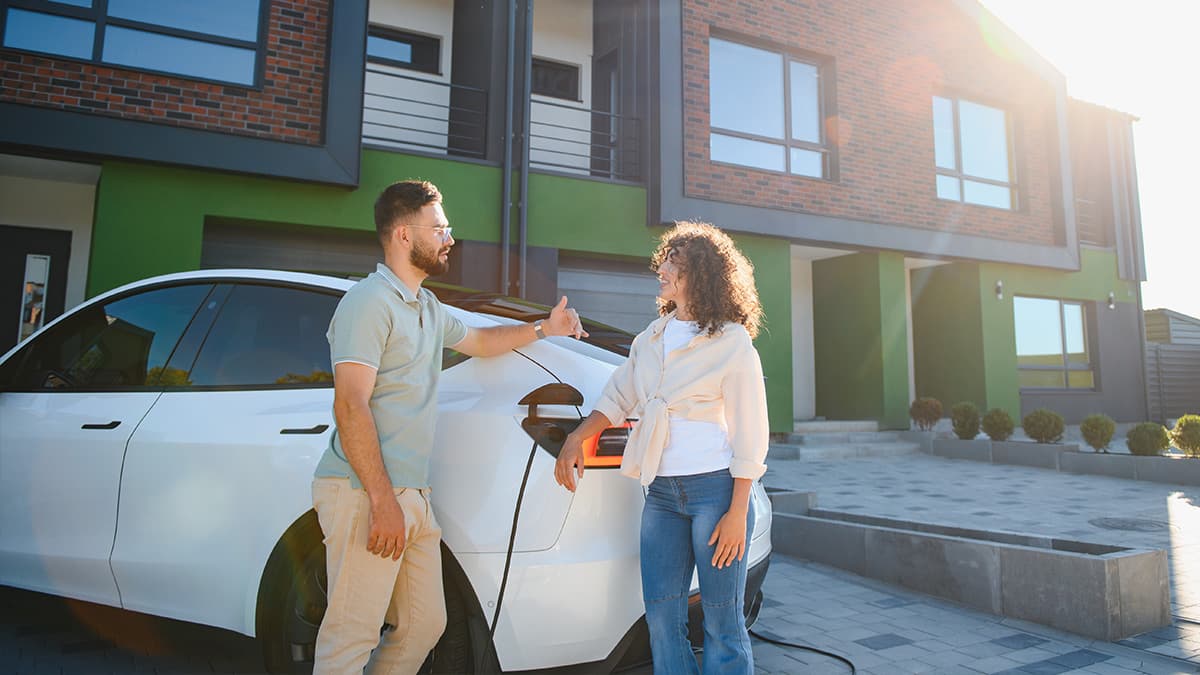
Home EV charger installation cost in Pacific Palisades depends on more than the charger itself. The final price usually comes down to the charger type, wiring distance, electrical panel capacity, permit requirements, and whether the home needs upgrades before installation.
A simple installation near an electrical panel will usually cost less than a project that needs a long wiring run, outdoor mounting, trenching, or panel work.
That is why a site assessment matters. The charger is only one part of the project. The home’s electrical system determines how simple or complex the installation will be.
Luxus Construction is a general contractor and licensed C10 electrical contractor in Pacific Palisades, providing electrical services, EV charger installation planning, and related residential upgrades.
Quick Answer: What Affects EV Charger Installation Cost?
The main cost factors are charger type, installation location, wiring distance, available panel capacity, permit requirements, and whether the charger is plug-in or hardwired.
For many homeowners, the biggest cost difference comes from the electrical work, not the charger unit.
A basic installation may involve a charger, a dedicated circuit, and a short wiring run. A more involved project may require panel upgrades, exterior-rated equipment, longer wiring, permit coordination, and inspection.
Charger Cost vs Installation Cost
Homeowners often start by asking how much the charger costs. That is only part of the answer.
A home EV charger project usually has two separate cost categories:
- the EV charger unit
- the electrical installation work
The charger unit is the equipment you buy. The installation is the electrical work required to make the charger safe, code-compliant, and practical for daily use.
A lower-cost charger does not always mean a lower total project cost. If your electrical panel needs work, or if the charger location is far from the panel, the installation side can become the larger part of the project.
Charger Type: Plug-In vs Hardwired
Charger type has a direct impact on cost.
A plug-in charger usually connects to a 240V outlet, often a NEMA 14-50 receptacle. A hardwired charger connects directly to the electrical system without a plug.
A plug-in setup may cost less when the home supports a straightforward outlet-based installation. It can also make future charger replacement easier.
A hardwired setup may cost more because it is more permanent and often supports higher output. It can also provide a cleaner finished installation.
If you are still comparing these options, read: Plug-In vs Hardwired EV Charger: What Works Best for Pacific Palisades Homes?
EVIQO as a Smart-Price Charger Option
If you are comparing charger units before installation, EVIQO is a useful smart-price option to review.
For many homeowners, the right charger depends on how much power the home can support and whether the setup should be plug-in or hardwired.
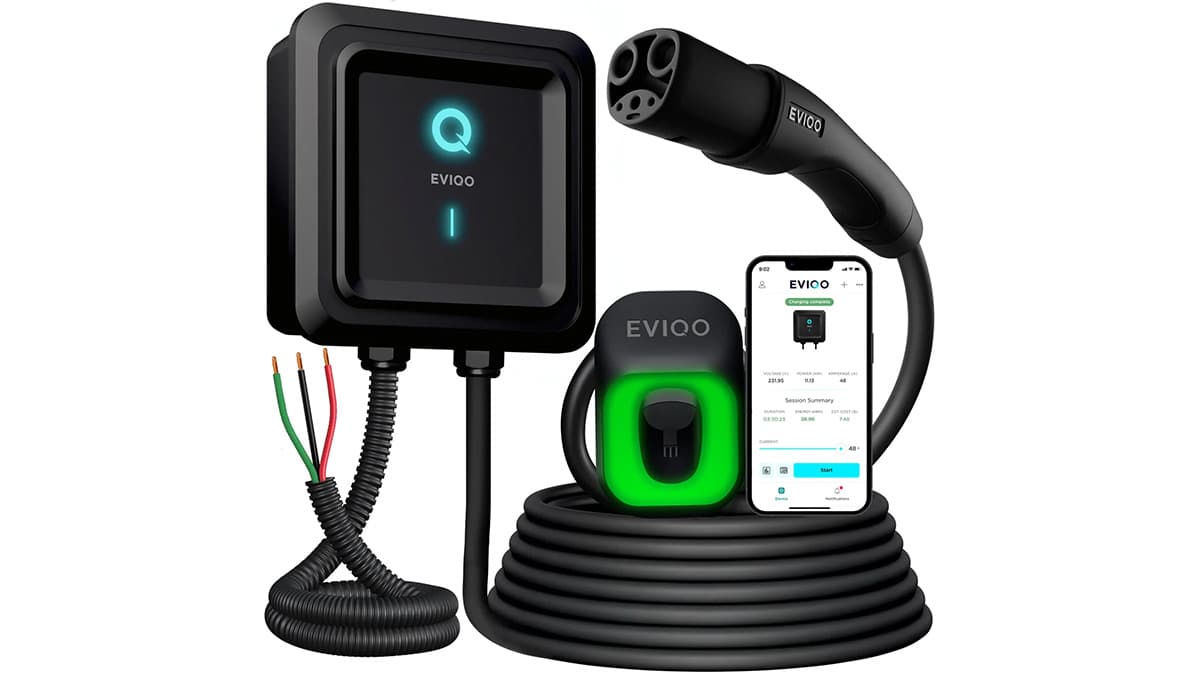
Relevant EVIQO options include:
EVIQO 40A Level 2 EV Charger with NEMA 14-50 Plug
This model is a practical plug-in option for many homes. It includes a 25 ft cable, WiFi app support, and weather-resistant construction.
EVIQO 48A Hardwired Level 2 EV Charger
This model is better aligned with homeowners who want a higher-output hardwired setup and a more permanent installation.
EVIQO 48A Plug-In Level 2 EV Charger
This model gives homeowners another higher-output option to compare during charger selection.
Before buying any charger, confirm that your home can support the installation method and amperage. The best charger is the one that fits both your vehicle and your electrical system.
Wiring Distance Can Change the Cost
Wiring distance is one of the biggest installation cost factors.
If the charger location is close to the electrical panel, the job may be more straightforward. If the charger needs to be installed on the opposite side of the home, in a detached garage, or outside near a driveway, the wiring path may add labor and materials.
Longer wiring runs may involve:
- more cable
- more conduit
- more wall or ceiling access
- exterior routing
- additional mounting work
- more labor time
This is why two homes in Pacific Palisades can have very different EV charger installation costs, even if both homeowners buy the same charger.
Electrical Panel Capacity Matters
Your electrical panel needs enough available capacity to support the charger.
A Level 2 EV charger adds a significant electrical load. Before installation, a licensed electrical contractor should review the panel, existing loads, breaker space, and service capacity.
If the existing panel does not have enough capacity or available breaker space, the project may require a main electrical box or panel upgrade before a Level 2 EV charger is installed.
Permit and Inspection Costs
EV charger installation often involves electrical work, which may require a permit and inspection.
Permit and inspection requirements can affect the total cost and timeline. They also help confirm that the installation meets code and supports safe operation.
This is especially important when the work includes:
- a new dedicated circuit
- new wiring
- a new 240V receptacle
- hardwired charger installation
- panel upgrades
- exterior electrical work
For more detail, read: Do You Need a Permit to Install an EV Charger in Pacific Palisades?
Outdoor Installation May Add Cost
Many Pacific Palisades homes need charger installation outside or near a driveway.
Outdoor installation can work well, but it may add cost depending on the site. Exterior-rated materials, conduit routing, mounting surface, weather exposure, and cable reach all matter.
An outdoor charger location should be practical for daily use. It should also protect the equipment and support safe charging.
Before choosing the location, think about:
- where you park every day
- whether the cable reaches comfortably
- how exposed the charger will be
- how far the charger sits from the electrical panel
- whether the installation affects the exterior finish
Garage Installation May Be Simpler
A garage installation is often simpler when the garage is attached and close to the electrical panel.
That does not guarantee a low-cost installation, but it may reduce complexity.
A garage charger may make sense when:
- the vehicle parks inside or directly outside the garage
- the panel is nearby
- wall mounting is simple
- the charger cable reaches the charging port without strain
For Tesla-specific setup planning, Luxus Construction also offers: Tesla Wall Connector Installation
When a Panel Upgrade Changes the Budget
A panel upgrade can become the largest cost driver in a home EV charger project.
This may happen when:
- the existing panel does not have enough capacity
- the breaker space is limited
- the home has older electrical infrastructure
- the homeowner wants a higher-output charger
- other electrical upgrades are planned at the same time
A panel upgrade is not always required. But when it is needed, it should be considered part of the real cost of adding Level 2 home charging.
This is one reason homeowners should request an installation estimate before buying a charger.
What Homeowners Should Ask Before Requesting an Estimate
Before requesting pricing, gather a few basic details.
Helpful information includes:
- your EV make and model
- where you park
- whether you want garage or outdoor installation
- whether you prefer plug-in or hardwired
- your electrical panel location
- whether your panel has available breaker space
- whether other electrical work is planned
You do not need to know every answer before calling. A licensed electrical contractor can help evaluate the home and recommend the right installation path.
Why a Flat Price Can Be Misleading
A flat EV charger installation price may sound convenient, but it can be misleading.
The same charger may cost less to install in one home and much more in another.
The difference usually comes from:
- distance from panel to charger
- panel condition
- breaker space
- permit requirements
- indoor vs outdoor installation
- wall access
- charger amperage
- plug-in vs hardwired setup
A proper estimate should reflect the home, not only the charger model.
FAQ
What affects the cost of EV charger installation?
Is the charger itself the biggest cost?
Does a hardwired charger cost more to install?
Should I get a site assessment before buying a charger?
Can I install a Level 2 charger without a panel upgrade?
Is outdoor EV charger installation more expensive?
How to Keep the Project Practical
The best way to control cost is to plan the installation before buying equipment.
Start with these steps:
- choose a preferred charger location
- review panel capacity
- compare plug-in and hardwired options
- confirm permit needs
- select a charger that fits the home
- request a written installation estimate
This approach helps avoid mismatch, delays, and unnecessary upgrades.
Request an EV Charger Installation Estimate in Pacific Palisades
If you are planning a home EV charger installation in Pacific Palisades, Luxus Construction can help review your electrical system, compare charger options, and provide an installation estimate based on your home.
Start with the Luxus Construction homepage, review electrical services, or contact Luxus Construction to request a site assessment.