

If you own an electric vehicle or plan to buy one soon, home charging quickly becomes part of daily life. For many Pacific Palisades homeowners, a standard wall outlet is not enough. Charging is too slow, and the setup is not ideal for regular use.
A Level 2 EV charger gives you a faster and more practical way to charge at home. It uses 240V power, supports overnight charging, and fits better into how most people use their vehicles day to day.
For homes in Pacific Palisades, proper installation matters. Charger type, panel capacity, dedicated circuits, permit requirements, and placement all need attention before work begins. That is why many homeowners choose a licensed contractor with electrical experience, not only a general installer.
Luxus Construction is a general contractor and licensed C10 electrical contractor in Pacific Palisades, providing electrical services, EV charger planning, and related home upgrades for local properties.
What Is a Level 2 EV Charger?
A Level 2 EV charger uses 240V power and charges much faster than a standard Level 1 outlet. For most homeowners, this makes daily charging far more realistic.
A standard outlet may work in limited situations, but it is usually too slow for people who drive regularly. A Level 2 charger is a stronger long-term solution for households that want dependable overnight charging at home.
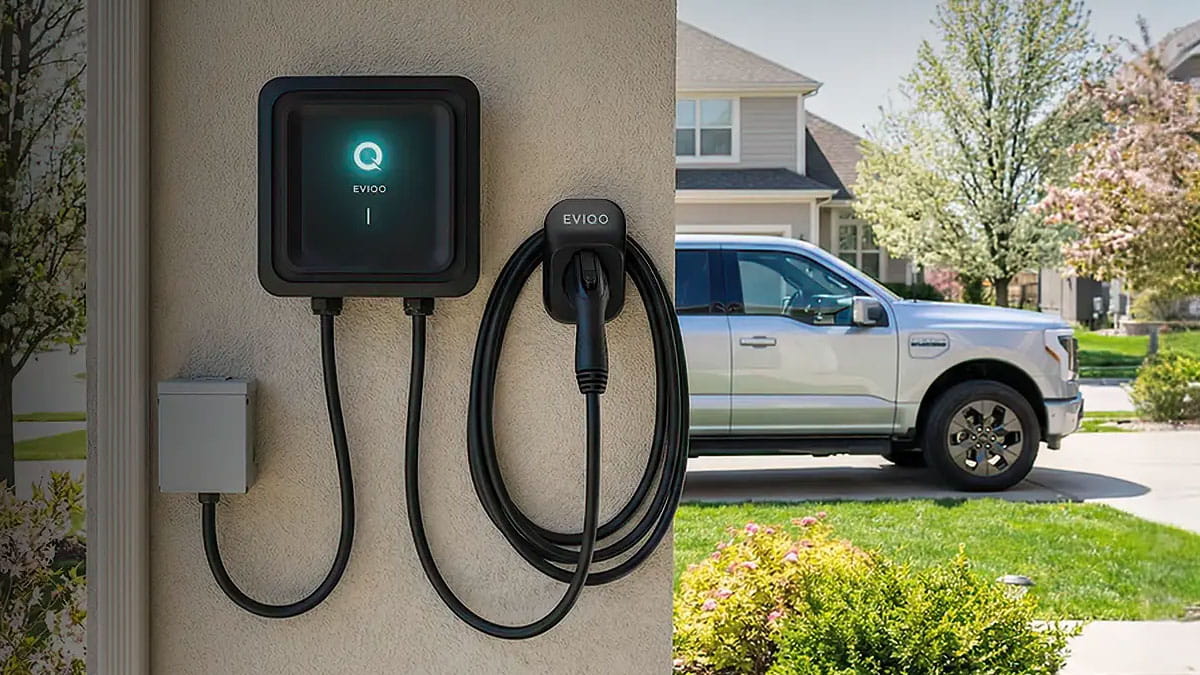
This type of charger is often installed in a garage, on an exterior wall, or in another dedicated parking area. The right location depends on how your home is laid out, where the vehicle is parked, and what the electrical system can support.
Why 240V Matters for Home Charging
The main reason homeowners move to Level 2 charging is speed. A 240V setup gives the vehicle access to more power than a standard household outlet. That translates into shorter charging times and a more convenient routine.
For many Pacific Palisades homeowners, this matters for three reasons:
- You do not want to wait all day for a basic charge
- You want a charger that fits daily use, not occasional use
- You want a setup that feels like part of the home, not a temporary workaround
A Level 2 charger also gives you more flexibility when choosing equipment. Some homeowners prefer a plug-in unit. Others want a hardwired charger with higher output and a more permanent installation.
How Level 2 EV Charger Installation Works
Level 2 charger installation is not only about mounting a charger on the wall. The full process usually includes electrical review, charger selection, and code-compliant installation.
A typical home EV charger installation includes:
- Reviewing the electrical panel and available capacity
- Determining whether a dedicated 240V circuit is needed
- Choosing between plug-in and hardwired charger options
- Planning charger location based on parking and cable reach
- Confirming whether permit or inspection requirements apply
- Installing the charger and testing operation
Homes vary. Some are ready for a straightforward installation. Others need additional work, especially if the panel is older or close to capacity. In those cases, an experienced contractor may recommend related upgrades such as a main electrical box or panel upgrade.
If your project involves broader electrical work, it also makes sense to review Luxus Construction’s electrical services page and related article on knowing when to upgrade your electrical wiring system.
Plug-In vs Hardwired Level 2 Chargers
Homeowners often ask whether they should choose a plug-in charger or a hardwired charger. The answer depends on your home, your charging habits, and the type of setup you want.
A plug-in charger often appeals to homeowners who want a simpler setup using a NEMA 14-50 receptacle. A hardwired charger is often chosen when the goal is a cleaner look, higher output, or a more permanent installation.
Here is a practical example.
The EVIQO 40A Level 2 EV Charger is a plug-in model with a NEMA 14-50 connection, J1772 compatibility for non-Tesla EVs, a 25-foot cable, WiFi app support, and weather-resistant construction.
Homeowners looking for a higher-output hardwired option may consider the EVIQO 48A hardwired Level 2 EV Charger, which is designed for a more built-in installation approach.
Both options are worth reviewing, but the right choice depends on your home’s electrical capacity and the installation path that makes sense for the property.
For homeowners comparing charger types, a product page alone is not enough. It helps to pair equipment selection with an on-site review by a qualified contractor.
Do You Need an Electrician to Install a Level 2 Charger?
In most cases, yes.
A Level 2 charger usually needs a dedicated 240V circuit and proper connection to the home’s electrical system. This is not the kind of project most homeowners should treat as a simple DIY upgrade.
A licensed electrical contractor helps with:
- Safe circuit planning
- Proper equipment matching
- Code-compliant installation
- Permit coordination when needed
- Charger testing and final setup
Luxus Construction holds both a general contractor license and a C10 electrical contractor license, which is especially relevant for EV charger installation and related electrical work in Pacific Palisades and surrounding areas. You can also review the existing local articles on Electrical Contractors Pacific Palisades and Electrical Contractor Pacific Palisades for more context.
Can a Level 2 EV Charger Be Installed in a Garage or Outside?
Yes. Many Level 2 chargers are designed for both indoor and outdoor installation. Still, placement should never be an afterthought.
The best location depends on:
- Where the vehicle is usually parked
- Whether the charger needs exposure protection
- Cable reach and ease of access
- Wall space and mounting conditions
- Distance from the electrical panel
For some homes, a garage wall is the most logical choice. For others, an outdoor wall near the driveway makes more sense. The right setup should feel practical every day, not awkward after installation.
If you already have a Tesla or plan to buy one, you may also want to review Luxus Construction’s Tesla Wall Connector installation service.
What Pacific Palisades Homeowners Should Think About Before Buying a Charger
Before purchasing equipment, it helps to answer a few practical questions:
- Do you want a plug-in or hardwired setup?
- Is your electrical panel ready for a new 240V circuit?
- Will the charger be mounted indoors or outdoors?
- Do you need a longer cable for easier parking access?
- Is faster charging worth the added installation complexity?
Buying the charger first and thinking about the home second is often the wrong order. A better route is to evaluate the property, confirm the installation approach, and then choose the charger that fits both your vehicle and your home.
For homeowners who want to compare current options, EVIQO’s chargers are a useful starting point:
- EVIQO Level 2 EV Charger 48A plug-in
- EVIQO Level 2 EV Charger 40A plug-in
- EVIQO Level 2 EV Charger 48A hardwired
Why Local Experience Matters
EV charger installation is electrical work, but it is also home improvement work. Placement, finish quality, coordination, and long-term usability all matter.
A contractor who understands both the electrical side and the home itself brings more value to the project. That matters in Pacific Palisades, where homes vary widely in age, layout, and service needs.
Luxus Construction works with homeowners on construction, remodeling, and electrical projects across Pacific Palisades and nearby Los Angeles areas. That makes EV charger installation part of a broader residential service approach rather than an isolated add-on.
Need EV Charger Installation in Pacific Palisades?
If you are planning a Level 2 EV charger installation in Pacific Palisades, Luxus Construction can help assess your home, review setup options, and handle the work as a licensed C10 electrical contractor.
What is a Level 2 EV charger?
Do I need an electrician to install a Level 2 charger?
Is Level 2 charging worth it for home use?
Can a charger be installed in a garage or outside?
Start by reviewing the homepage, explore the full electrical services, or contact Luxus Construction to request a site assessment.