


If you are planning home EV charging in Pacific Palisades, one of the first decisions is whether to choose a plug-in charger or a hardwired charger. Both options support Level 2 home charging, but they do not fit every home the same way.
Some homeowners want flexibility and a simpler setup. Others want a more built-in installation with higher output and a cleaner long-term solution. The right choice depends on your electrical panel, charger location, daily driving habits, and how permanent you want the installation to feel.
For Pacific Palisades homes, it also helps to look beyond the charger itself. Circuit capacity, code requirements, permit needs, and installation method all matter. That is why charger selection and installation planning should go together.
Luxus Construction is a general contractor and licensed C10 electrical contractor in Pacific Palisades, providing electrical services, EV charger installation support, and related residential upgrades.
Quick Answer: Plug-In vs Hardwired EV Charger
A plug-in EV charger is often a good fit for homeowners who want flexibility and a simpler installation path. A hardwired EV charger is often a better fit for homeowners who want a more permanent setup, higher charging output, and a cleaner finished look.
The best option depends on your home’s electrical setup and how you plan to use the charger over time.
What Is a Plug-In EV Charger?
A plug-in EV charger connects to a 240V outlet, often a NEMA 14-50 receptacle. This style appeals to homeowners who want a Level 2 charging setup without committing to a fully hardwired unit.
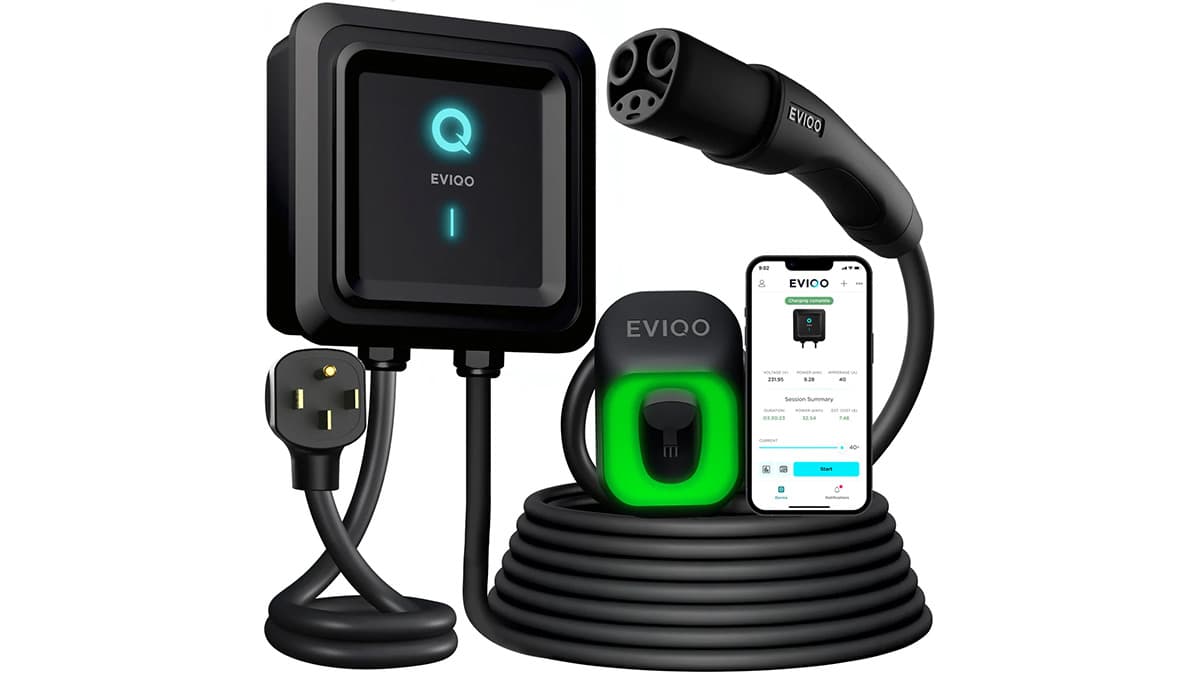
A plug-in model can be practical when:
- the home already has or can support a NEMA 14-50 outlet
- flexibility matters if the charger may be replaced later
- the desired charging speed fits the plug-in model
- the homeowner wants a more straightforward installation path
Many plug-in chargers still offer strong performance for regular home charging. For many drivers, a 40A setup is enough for overnight use and daily driving routines.
What Is a Hardwired EV Charger?
A hardwired EV charger is wired directly into the home’s electrical system. It does not plug into a receptacle. This makes it feel more permanent and often supports higher output.
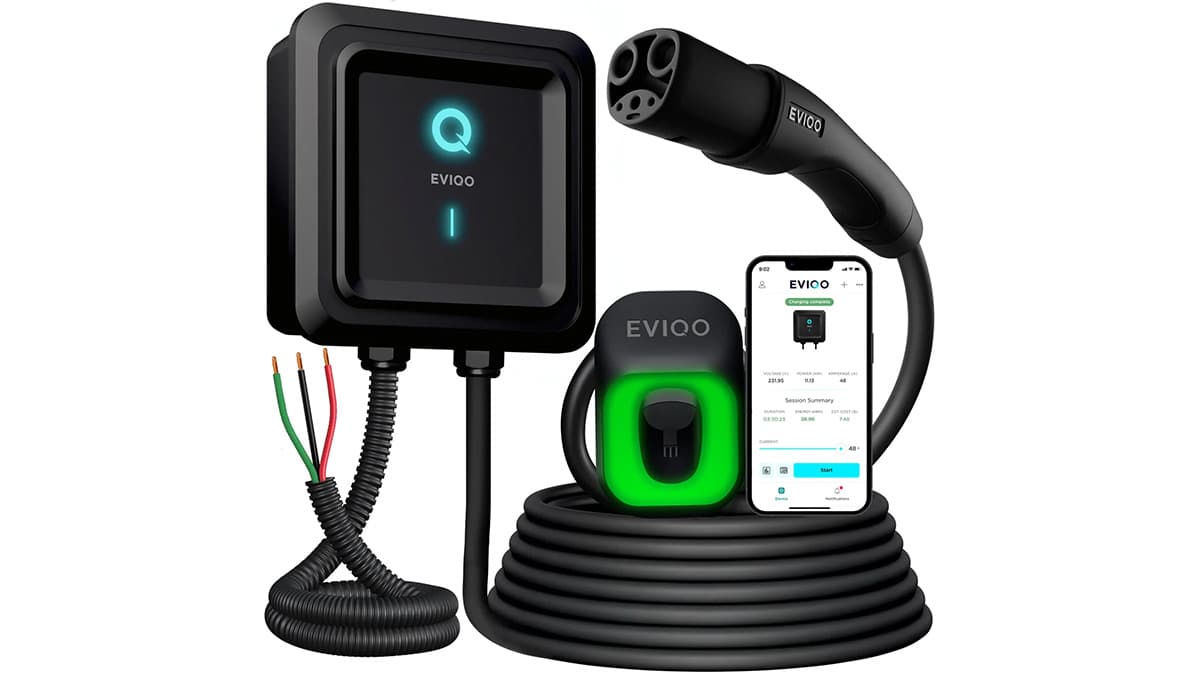
A hardwired model can make more sense when:
- faster charging is a priority
- the homeowner wants a more built-in installation
- the electrical setup supports the charger load
- the goal is a long-term charging solution tied to the home
In many cases, a hardwired charger also gives the installer more flexibility in final placement and overall finish.
Convenience and Flexibility
Convenience means different things depending on the homeowner.
A plug-in charger offers more flexibility. If the unit needs to be replaced later, or if the homeowner wants the option to remove it more easily, plug-in can feel simpler. It is often attractive for people who want a functional Level 2 charger without making the setup feel too fixed.
A hardwired charger offers a different kind of convenience. It removes the plug and receptacle from the equation and often looks more integrated with the home. For homeowners planning to stay long term, that can be the better route.
If you want a charger that feels more like a permanent part of the property, hardwired often wins. If you want more freedom to swap or remove the unit later, plug-in often makes more sense.
Power and Charging Speed
One of the biggest practical differences is output.
Plug-in chargers often operate at lower amperage than hardwired models. That does not mean they are weak. For many homeowners, a 40A Level 2 charger is enough for reliable overnight charging.
Hardwired chargers often support higher amperage, including 48A setups, which can help shorten charging time when the vehicle and home electrical system support it.
A useful example is the difference between these two EVIQO models:
The 40A plug-in model is often a good fit for homeowners who want a practical NEMA 14-50 setup with WiFi features, weather-resistant construction, and a 25-foot cable. The 48A hardwired model is more aligned with homeowners who want a higher-output charger with a more fixed installation approach.
The better option is not the one with the highest number on paper. It is the one that fits your home and daily charging needs.
NEMA 14-50 vs Hardwired Charger Setup
Homeowners often search for NEMA 14-50 vs hardwired charger because this is where the decision becomes more practical.
A NEMA 14-50 setup means the charger plugs into a 240V receptacle. That can make the installation path more familiar to some homeowners and may feel less permanent.
A hardwired setup means the charger is directly connected to the electrical circuit. That often supports higher output and gives the installer more control over final configuration.
Neither option is automatically better in every situation.
A NEMA 14-50 plug-in setup may be the better fit when:
- you want easier future replacement
- 40A charging meets your needs
- your installation plan works well with a receptacle-based setup
A hardwired setup may be the better fit when:
- you want higher charging output
- you prefer a cleaner built-in look
- you want a more permanent solution
- your home electrical plan supports it well
Code and Installation Considerations
This is where professional guidance matters.
Choosing between plug-in and hardwired is not only about product features. It is also about what your home can support safely and correctly.
Installation planning should include:
- panel capacity review
- circuit design
- charger location
- cable reach
- indoor or outdoor placement
- permit and inspection requirements if applicable
Some homes are ready for a straightforward installation. Others need additional evaluation first, especially older homes or homes with panels already carrying a significant load. In some cases, the project may involve related work such as a main electrical box or panel upgrade.
For homeowners still in the early planning phase, it also helps to read Luxus Construction’s first EV charging article: Level 2 EV Charger Installation in Pacific Palisades: What Homeowners Should Know.
Long-Term Fit for Pacific Palisades Homes
The best charger setup is not only about today. It is also about long-term fit.
Ask yourself:
- Are you planning to stay in the home for years?
- Do you want the charger to feel built into the property?
- Is flexibility more important than maximum output?
- Is your current EV likely to be replaced by another model later?
- Do you want the simplest path, or the most permanent path?
For some Pacific Palisades homeowners, a plug-in charger is the right balance of function and flexibility. For others, a hardwired charger is the better investment because it aligns with long-term use and a cleaner finished installation.
Garage vs Outdoor Installation
Both plug-in and hardwired chargers can be installed in a garage or outside, as long as the equipment is rated for the intended environment and the installation is done correctly.
Placement matters because it affects daily use. Cable reach, wall location, parking habits, and weather exposure all shape the final decision.
If the charger will be installed outside, product features such as weather resistance, cable length, and mounting position become even more important. That is another reason product selection should not be separated from site planning.
Homeowners considering vehicle-specific charging may also want to review Luxus Construction’s Tesla Wall Connector installation service.
Which One Should You Choose?
Choose a plug-in EV charger if:
- you want more flexibility
- a NEMA 14-50 setup fits your home
- 40A charging is enough for your routine
- you prefer a simpler replacement path later
Choose a hardwired EV charger if:
- you want a more permanent installation
- you want higher output
- you prefer a cleaner integrated finish
- your home electrical system supports the setup
The decision becomes much easier when the home is evaluated first. Buying a charger before understanding the electrical side often leads to a mismatch.
Plug-In vs Hardwired EV Charger FAQ
Is a hardwired EV charger better than a plug-in charger?
Can a plug-in EV charger deliver enough power for daily use?
Does hardwiring cost more?
Which option is better for future resale or upgrades?
Not Sure Which Setup Fits Your Home?
If you are comparing plug-in vs hardwired EV charger options for a Pacific Palisades home, Luxus Construction can help review your setup, assess electrical capacity, and recommend the installation path that fits the property.
Start with the homepage, explore electrical services, or contact Luxus Construction to ask about your home EV charger installation.