

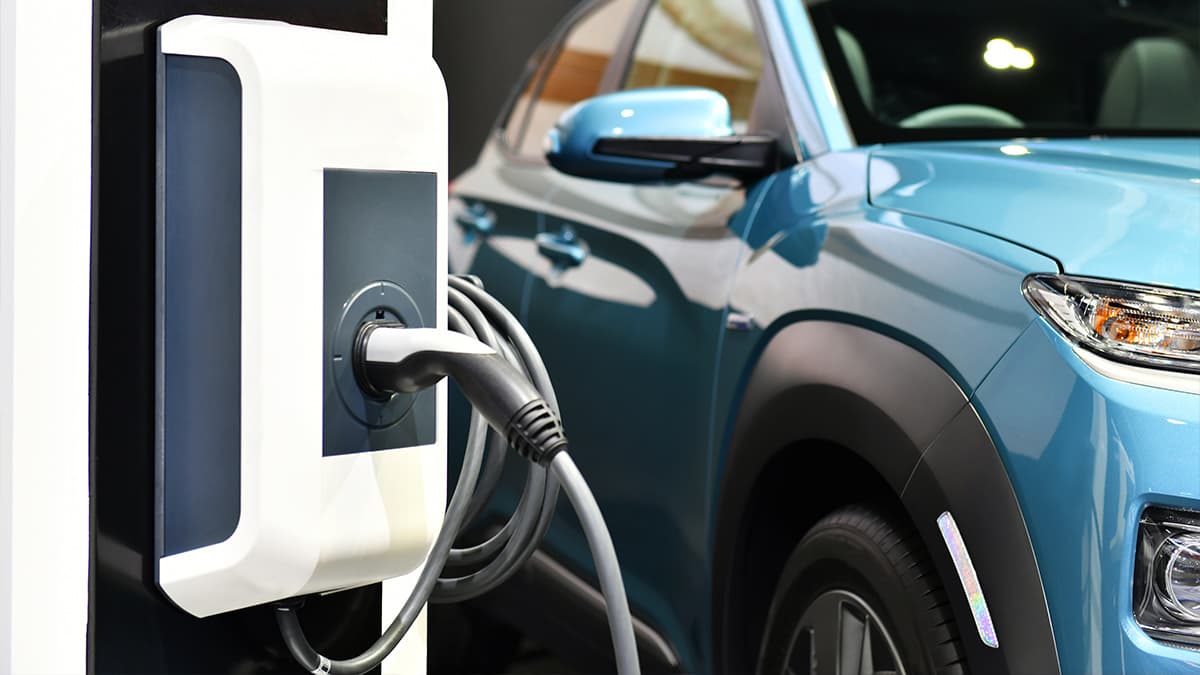
Your electrical panel supports a Level 2 EV charger only if the service capacity, calculated household load, panel condition, and charger circuit meet the installation requirements. Empty breaker spaces alone do not establish capacity. Some homes support the new circuit without a panel upgrade. Others need a lower charging output, approved load management, or electrical upgrades.
Planning an electrical panel for a Level 2 EV charger in Los Angeles starts with your home’s existing electrical demand. Choose the charging amperage after a licensed C10 electrical contractor reviews the system. This approach helps you compare installation options before buying equipment.
What determines EV charger panel capacity
A panel’s amp rating describes part of your electrical system. It does not tell you how much capacity remains for another appliance. A 200A service offers more capacity than a 100A service, but neither rating guarantees room for your chosen charger.
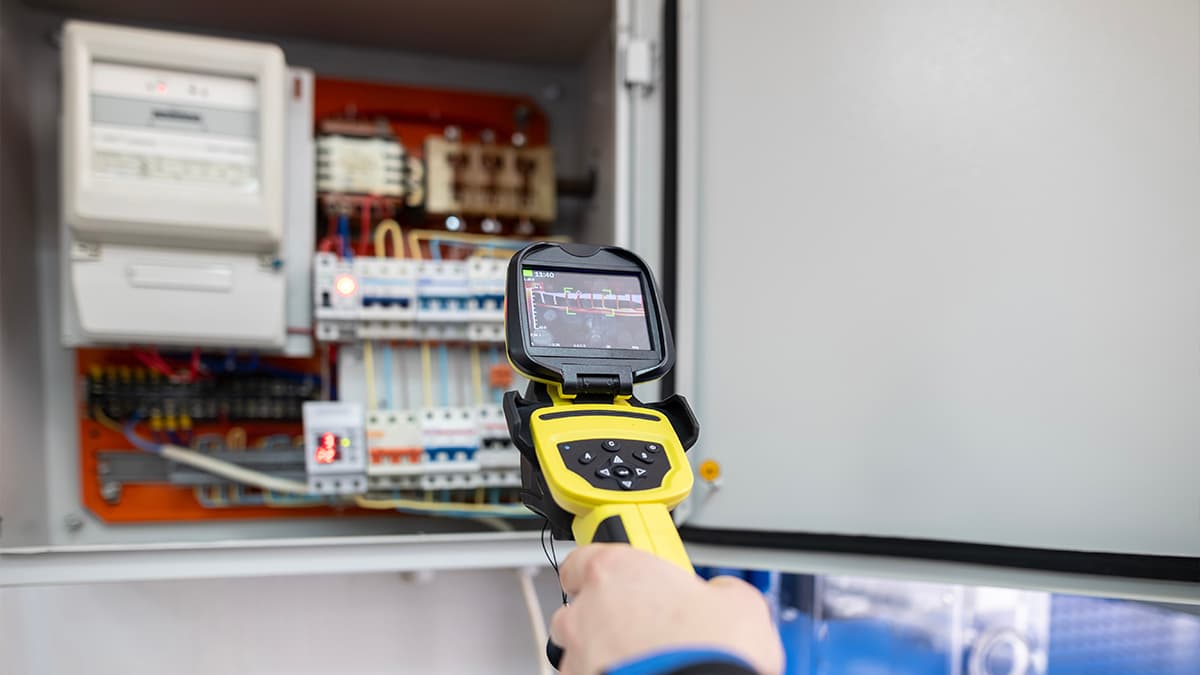
Your contractor evaluates the loads already serving the home, including air conditioning, cooking equipment, clothes dryers, water heaters, and other electrical equipment. The review also accounts for the proposed EV charging load using the applicable electrical code calculation method.
The assessment should cover:
- Electrical service rating, main breaker, and panel rating.
- Existing household loads and the proposed charging output.
- Compatible breaker positions and the panel’s permitted breaker arrangement.
- Wiring, feeder capacity, grounding, and equipment condition.
- Future additions, including a second EV, heat pump, or electric water heater.
Do not add every breaker rating together or subtract this total from the main breaker rating. Breaker sizes do not represent the home’s calculated demand. An approved load calculation uses specific methods for different loads.
The Los Angeles Department of Building and Safety EV charging checklist calls for existing and proposed loads in electrical plan submissions to demonstrate adequate service and distribution capacity. Your contractor should establish capacity even when the installation qualifies for a streamlined permit.
Charging amperage and circuit size
Home Level 2 charging typically uses a dedicated 240V circuit. EV charging counts as a continuous load for circuit sizing. In a typical residential installation, the circuit must support at least 125 percent of the charging current. This corresponds to charging at no more than 80 percent of the circuit rating.
A 40A charging output therefore needs a 50A circuit. A 48A output needs a 60A circuit. Your contractor must also size the wiring for the installation method and equipment instructions.
| Charging output | Typical circuit rating | Power at 240V |
|---|---|---|
| 16A | 20A | 3.84 kW |
| 24A | 30A | 5.76 kW |
| 32A | 40A | 7.68 kW |
| 40A | 50A | 9.60 kW |
| 48A | 60A | 11.52 kW |
These examples describe charging current and branch circuits, not remaining capacity in the whole home. Actual power delivered to the battery varies with charging losses and the vehicle’s onboard charger. Not every EV charger supports every setting above.
For a closer comparison, read 40 Amp vs 48 Amp EV Charger for Pacific Palisades Homes.
Lower amperage and automatic load management
Match the output to your daily driving
Higher charging output adds more electrical demand. A lower setting often provides enough overnight energy while leaving more capacity for other household loads. Your contractor must confirm the result through the load review.
For example, a charger operating at 32A supplies up to 7.68 kW at 240V. Two hours supplies about 15.4 kWh before charging losses. Compare this with your vehicle’s energy use and daily driving rather than choosing the highest output available.
When a design relies on reduced amperage, the installer must configure the equipment’s permitted current limit according to its listing, instructions, and applicable code. A driver-adjustable vehicle setting alone does not establish a compliant circuit design.
Ask about approved load management
Automatic EV load management monitors electrical demand and reduces or pauses charging as other appliances use power. A suitable system sometimes avoids a service upgrade by keeping demand within the approved limit.
For an example of the technology, Tesla’s power management guidance distinguishes fixed charging limits from dynamic control based on household electrical use. Dynamic control requires compatible monitoring equipment. Ask your contractor which listed equipment and charger combinations fit your home and local requirements.
A WiFi app or overnight schedule alone does not provide whole-home load protection. Scheduling changes when you charge. Approved load management responds to electrical demand. Confirm the specific equipment and installation design before relying on this approach.
Older Los Angeles homes need a closer review
An older home deserves a review of both electrical capacity and equipment condition. Previous renovations sometimes add appliances or living space without updating every part of the electrical system. The age of the house alone does not determine whether you need a panel upgrade for an EV charger.
Tell your contractor about recurring breaker trips, damaged equipment, unexplained electrical problems, or previous wiring changes. A contractor should investigate these issues before adding the charger.
A new panel does not automatically replace old branch wiring throughout the home. Likewise, repairs to an existing panel do not increase the utility service rating. Ask for an estimate identifying each part of the proposed work.
A subpanel adds circuit space without adding service capacity
A subpanel distributes power from the existing electrical system to another group of circuits. It helps when the main panel lacks suitable breaker positions or when a garage needs several circuits.
It does not increase the amount of power the utility supplies to the home. A 100A subpanel fed from a 100A service does not create 200A of household capacity.
Before adding a charger to a garage subpanel, your contractor should check the upstream service, feeder wiring, feeder breaker, subpanel rating, and existing garage loads. Adding a larger subpanel still leaves the feeder and service limits in place.
When a panel or service upgrade becomes part of the project
An upgrade enters the plan when the existing system fails the load review at your selected charging output, the equipment needs replacement, or future electrical additions require more capacity. First compare reduced charging output and approved load management where appropriate.
Distinguish these scopes when reviewing quotes:
- Panel replacement addresses the panel itself. It does not necessarily increase the service rating.
- A subpanel adds distribution space within the capacity of its feeder and upstream service.
- A service upgrade increases the home’s approved supply capacity and involves utility coordination, with meter or service equipment changes as required.
Review Luxus Construction’s electrical panel upgrade services if the evaluation identifies panel work. Ask the contractor to explain which component limits your installation and why the proposed scope resolves it.
Permits and utility coordination in Los Angeles
Within the City of Los Angeles, a new EV charging circuit requires an electrical permit and inspection through LADBS. Qualifying installations follow an Express Permit route without electrical plan check. An exemption from plan check does not eliminate the permit.
LADWP’s charger installation guidance separates the contractor’s review of wiring past the meter from the utility’s assessment of service capacity up to the meter. Contact LADWP early when planning charging, especially if the project changes the service, meter, or panel. LADWP recommends contacting an Electric Service Representative at least two weeks before installation.
Confirm the permitting authority and electricity provider for your address. Los Angeles County includes cities outside City of Los Angeles jurisdiction, with their own processes.
Plan the charger after the electrical evaluation
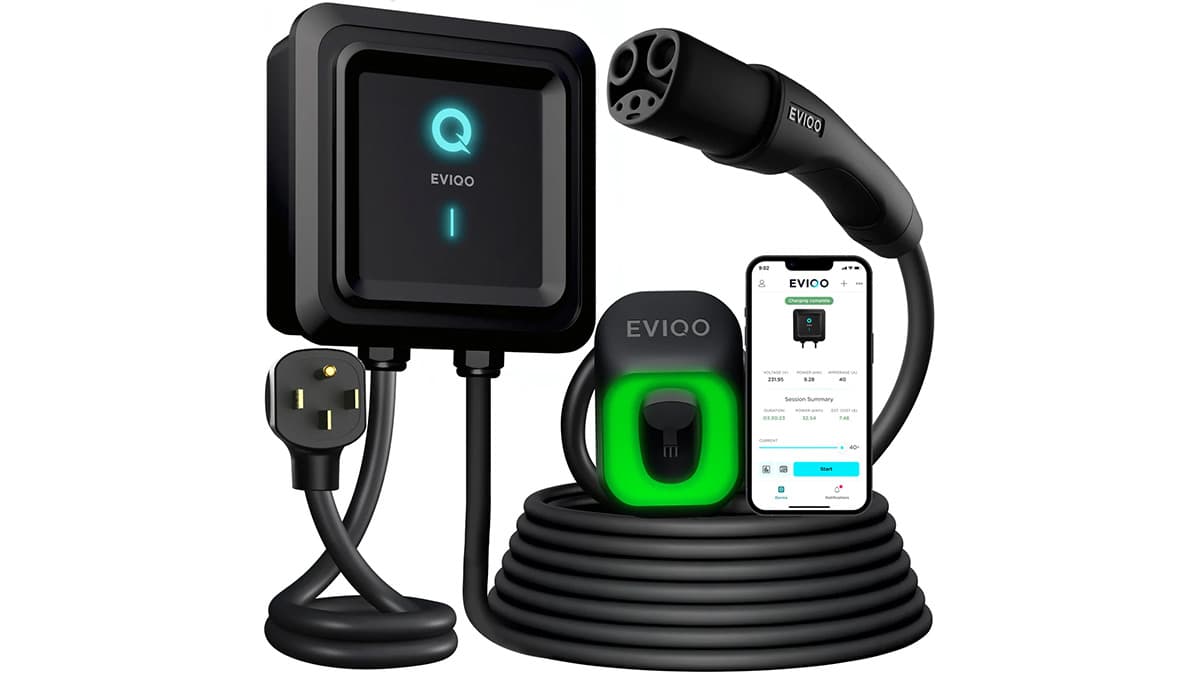
For EVIQO buyers, the 40A NEMA 14-50 plug-in option and the 48A hardwired option represent different circuit requirements. At 40A output, plan for a 50A circuit. At 48A output, plan for a 60A circuit. The installer should verify the exact model, permitted settings, vehicle connector, and current manufacturer instructions.
EVIQO’s installation guide lists lower installer-set amperage options for compatible models. Reduced output does not guarantee an upgrade-free installation or establish automatic whole-home load management compatibility.
After your contractor confirms the electrical plan, compare EVIQO models and see pricing. Choose the output your home and driving needs support.
Frequently asked questions
Does every home panel support a Level 2 EV charger?
How do I know if my panel can handle an EV charger?
Do older homes need panel upgrades more often?
Can a smaller charger help avoid an upgrade?
Does a 200A panel guarantee enough EV charger capacity?
Does adding a subpanel solve an EV charger capacity problem?
Request an electrical evaluation from Luxus Construction
Before ordering your charger, request an electrical evaluation from Luxus Construction. We provide electrical services in Pacific Palisades and Los Angeles as a licensed C10 electrical contractor. Tesla owners also have access to our Tesla Wall Connector installation services.
Share your vehicle model, daily driving needs, preferred parking location, and planned electrical additions. If safely accessible, include photos of the panel door, visible labels, and exterior main breaker rating. Leave protective covers in place.
Call 310-270-8596 to discuss your installation and the electrical work it requires.